
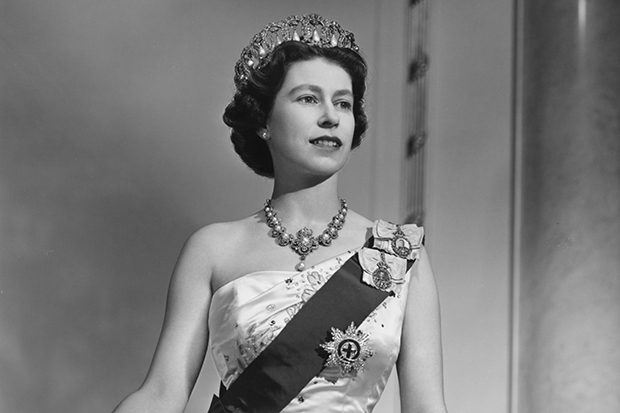
As the news of her death broke out, an overwhelming sense of grief and public mourning played out, in Britain and across the world, heads of state showered her with praises, but also were there murmurings of a complicated legacy, the legacy intertwined with that of the Royal Family and her place in it. Today we’ll try to navigate those various complexities and in doing so examine the pivotal points of Queen Elizabeth 2’s own life and finally the place she will be accorded for the role in shaping the history of our age.
This is the age of democracies but the overwhelming support the public has in Great Britain proves otherwise. Their secret life styles, private affairs, scandals, wealth and all the other stuff of interest the wider public doesn’t have access to all of these make rich news for the tabloids. It was in this intense media embroiled environment that the Queen was born. Born Elizabeth Alexandra “Lillibet” , on 21st April, 1926 at 17 Bruton Street, Mayfair she was third in line of succession to the British throne, behind her uncle Edward and her father. Not long after the World War started and it is from this point on her dalliance with the media began. Initially it was on the radio. The 14 year old child delivered commendable speeches to boost the morale of the despondent British masses when the War had just started wrecking their lives, the Nazi bombers razing London and killing people in droves, it was first of the series of lively engagements she would have with the British public and the world as a whole. As she approached her 18th Birthday, Parliament changed the law so she could act as one of five Counsellors of State. In February 1945, she was appointed an honorary second subaltern in the Auxiliary Territorial Service of the British Army. She trained and worked as a driver and mechanic. Her role was highly praised later. Her public appearance before a jubilant British crowd in 1945 with Winston Churchill at Buckingham Palace gave people a glimpse of their Future Queen which erstwhile was not to be.
Princess Elizabeth went on her first overseas tour in 1947. During the tour, in a broadcast to the British Commonwealth on her 21st Birthday, she made the following pledge,” I declare before you all that my whole life, whether it be long or short, shall be devoted to your service and the service of our great imperial family to which we all belong. This impassioned speech won the hearts of millions. Well, it had been some while she had been interacting with her future husband Prince Philip. So at the age of 21 Elizabeth and Philip married on 20th November, 1947 at Westminster Abbey. Great Britain was still reeling under the economic shock of the World War and the ceremony was kept mostly private.
Accession and Coronation- The reigning king, George VI’s health had been in decline for some time during 1951. On 8th Feb, 1952 Princess Elizabeth and Prince Philip had just returned to their Kenyan home when word arrived of the death of George VI and this would be time too for Elizabeth’s consequent accession to the throne of The British Monarchy. With much pomp, show and opulence the world watched, as the Coronation of the Queen took place. In fact it was the first ceremony of its kind to be televised entirely. Her tryst with the British Monarchy grew twisted with her at the helm of all this. Formerly, the expanse of the British Empire was the source of envy for the entire world but now with the end of the World War 2 and a new, emerging World order it was time the Britishers reckoned with the new reality that honed upon them. The British Commonwealth, a group of former colonial territories under the Crown, now became the Commonwealth of Nations with the Queen herself leading the charge. She paid numerous State visits to the former dominions; the likes of Canada, Australia and New Zealand still have the British Crown as their official heads of state. Numerous countries of the Caribbean too boast the British Crown as their official heads of state. There is a reason why we must talk about this. The Royal Crown was and still is many ways a dark symbol of imperialism and colonialism. Colonial legacy and its aftermath continues to be debated and talked about in great detail in former Colonies, especially India. She might not have been the Queen then but her relation to an Imperial Family so closely founded as upon her is a source of contention among popular critics of the Monarchy. The economic and cultural degeneration that resulted as and under the British Crown is a contemporary reality the British Royal Family must come to terms with.
Anyway,she accelerated the decolonisation of Africa and was against the British involvement in the Suez Crisis in which the latter was in fact supplied with a bitter embarrassment. This also highlights her truly stateswoman-like leadership. In 1977, she marked the Silver Jubilee of her reign. She was not prone to give details about her personal life and rarely granted interviews. This sort of character generated intense speculation and sent the press lapping even for worthless trivialities. Sensational stories about the happenings in the Royal Family, starting itself with the marriage of Princess Diana and Prince Charles. It just started off a media frenzy and afterwards her growing estrangement with the then British Prime Minister Margaret Thatcher fuelled speculations about the Queen’s own political views which again were deliberately kept off guard from the British public. In 1986, Elizabeth paid a 6 day state visit to the People’s Republic of China, becoming the 1st British Monarch to set foot on Chinese land. On 24th November,1992, in a speech to mark the Ruby Jubilee(40 years), of her accession to the throne, Elizabeth called 1992 her annus horribilis (a Latin phrase, meaning “horrible year”). Republican feeling had risen because of press estimates of Elizabeth’s private wealth contradicted by the Palace- and reports of affairs and strained marriages among her extended family. The Monarchy came under intense criticism and public scrutiny as a result. In an unusually personal speech, Elizabeth said that any institution might expect criticism, but suggested it might be done with” a touch of humour,gentleness, and understanding. By this time though the media was rife with speculations about the impending divorce of Princess Diana and Prince Charles. Diana was the love of the public and her sensational interview given to BBC’s Martin Basheer exacerbated the public gaze and interest even more. Amidst the public revelations and bitter faceoff she ultimately advised at the end of Dec, 1995 that a divorce was in fact inevitable. If this was not enough the shocking death of Diana in September 1997 exacted a reaction from the British Crown never seen before. She delivered a soulful message and bowed to the Coffin of Princess Diana, an event embedded in Royal history in great admiration. She won over the mourning public by this simple act.
In October, 1997,Elizabeth and Philip made a state visit to India which included a controversial visit to the site of the Jallianwala Bagh massacre. She laid a wreath upon the site and displayed a show of humility though not outright.
Again in 2002 and in 2012 Elizabeth marked her Golden and Diamond Jubilee respectively. On 13th June, 2022, she became the 2nd longest reigning monarch in history among those whose exact days are known, with 70 years, 127 days reigned surpassing King Bhumibol Adulyadej of Thailand.
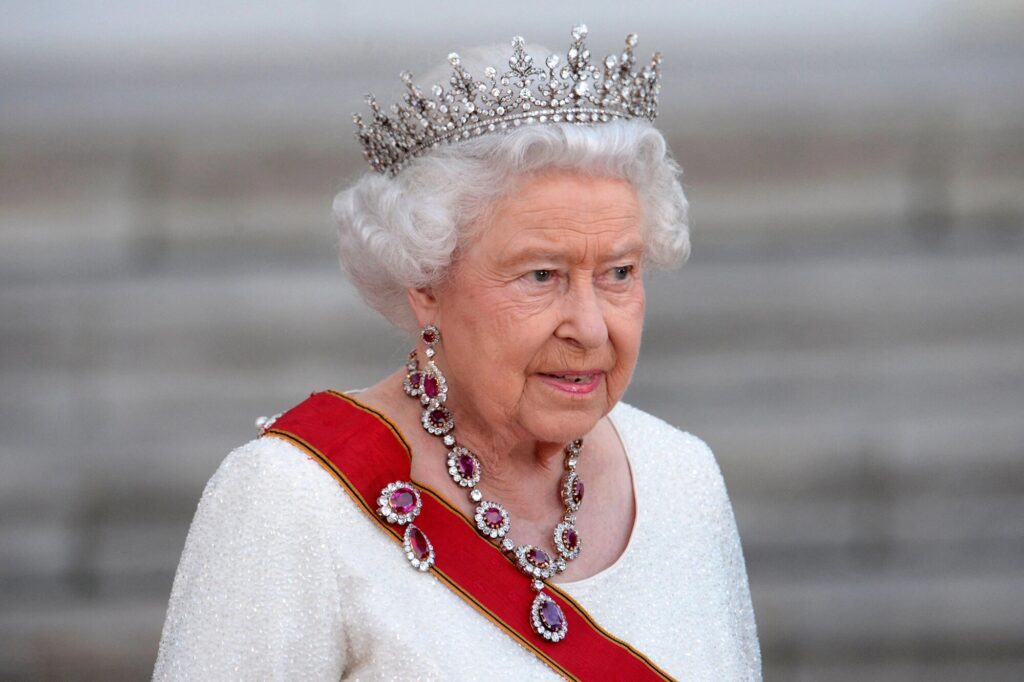
On 8th September 2022, Buckingham Palace announced that Elizabeth was under medical supervision at Balmoral Castle. Her death was confirmed 2 hours later at 18:30 BST, setting in motion Operation London Bridge.
This was in a few words one of the most remarkable journeys a person could potentially have though one which exists and moves with certain qualms. It demands numerous answers and asks tough questions, not just on the viability of the institution or of the requirement of an old outdated system but also the role one must play both for the people in power and the same for those who are not. Evidently she was a lady of great admiration and character but the critical analysis should not and cannot be limited to her actions solely. It is intertwined with that of the Monarchy itself, and its place and character as a whole and the role it must be relegated to, not just in Britain but the whole world itself.