
Introduction:
The United States debt ceiling has long been a contentious issue, with the potential to disrupt not only the nation’s financial stability but also the global economy. As the largest economy in the world, any significant financial upheaval in the United States has far-reaching implications for the entire international financial system. In this blog post, we will delve into the US debt ceiling trap, examining its current state, its significance, and the potential consequences it may have on the world economy.
Understanding the US Debt Ceiling:
The US debt ceiling refers to the statutory limit set by Congress on the amount of money the US Treasury can borrow to finance government spending. It is essentially a cap on the total outstanding public debt of the United States. When the debt ceiling is reached, the Treasury is no longer authorized to issue additional debt to meet its financial obligations, unless Congress votes to increase the limit.
The purpose of the debt ceiling is to ensure that the government maintains fiscal discipline and does not accumulate an unsustainable level of debt. It serves as a mechanism for Congress to exercise control over the borrowing capacity of the federal government, providing an opportunity for lawmakers to debate and approve additional borrowing.
The Current State of the US Debt Ceiling:
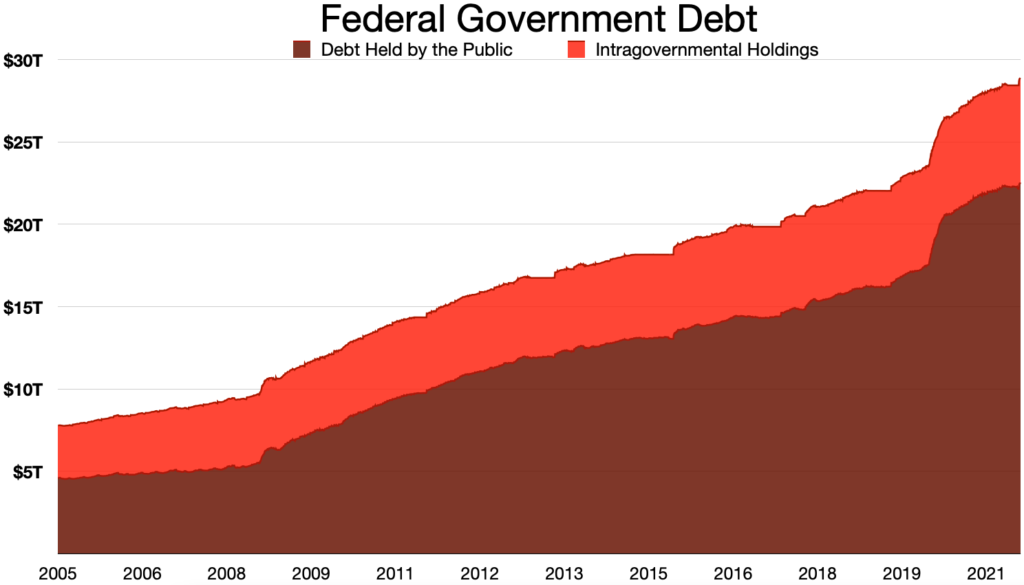
As of June 2023, the United States finds itself in a precarious position concerning its debt ceiling. The debt ceiling is fast approaching, and failure to raise it in a timely manner could have severe consequences for the US economy and the world at large. The US national debt currently stands at a staggering $31 trillion, driven by persistent budget deficits and increased government spending.
Historically, raising the debt ceiling has been a routine process, as Congress would typically act to increase the limit when necessary. However, in recent years, the debt ceiling has become a political battleground, with disagreements and partisan debates impeding its timely adjustment. These delays in raising the debt ceiling have led to heightened uncertainty and the potential for financial disruptions.
Significance and Implications:
The debt ceiling plays a vital role in shaping the United States’ fiscal policy and financial stability. Failure to raise the debt ceiling can result in dire consequences, including:
1. Government Shutdown: If the debt ceiling is not raised, the government would be forced to operate with limited funds, potentially leading to a government shutdown. This would disrupt essential government services and operations, affecting various sectors, such as healthcare, transportation, and national security.
2. Default Risk: A failure to raise the debt ceiling in a timely manner increases the risk of a US government default on its debt obligations. This would have severe implications for the US Treasury bonds, which are considered safe-haven assets. A default would erode investor confidence, raise borrowing costs, and potentially trigger a global financial crisis.
3. Economic Contraction: The uncertainty surrounding the debt ceiling and the potential for a default can cause financial market volatility, leading to decreased consumer and business confidence. This could result in reduced investments, diminished economic growth, and job losses, both within the United States and internationally.
4. Credit Rating Downgrade: A failure to raise the debt ceiling can prompt credit rating agencies to downgrade the US sovereign credit rating. A downgrade would increase borrowing costs for the US government, making it more expensive to finance its debt and potentially triggering a cascade of negative impacts on global financial markets.
Mitigation Strategies and Long-Term Solutions: Breaking the Cycle:
To address the recurring challenges posed by the debt ceiling, it is crucial to explore mitigation strategies and long-term solutions. Here are a few potential approaches:
1. Establish Automatic Adjustments: One possible solution is to implement automatic adjustments to the debt ceiling. This would eliminate the need for frequent political battles and provide a more predictable and stable framework for managing the government’s borrowing capacity. Automatic adjustments could be tied to specific economic indicators or fiscal rules, ensuring that the debt ceiling aligns with the country’s economic conditions.
2. Promote Fiscal Reforms: Long-term solutions require addressing the underlying causes of the debt ceiling debates. Implementing fiscal reforms aimed at promoting responsible spending and reducing budget deficits can help alleviate the need for frequent increases in the debt ceiling. This could involve measures such as comprehensive tax reform, spending cuts, and entitlement program reforms to put the nation on a sustainable fiscal path.
3. Enhance Bipartisan Cooperation: Breaking the cycle of debt ceiling crisis requires bipartisan cooperation and a shift away from the political brinkmanship that often accompanies these debates. Encouraging open dialogue and compromise between political parties can lead to more effective and timely resolutions. Establishing mechanisms for constructive negotiations and incentivizing cooperation on fiscal matters can help avoid unnecessary disruptions to the economy.
Conclusion:
The US debt ceiling trap poses a significant threat to the stability of the United States and the world economy. With the debt ceiling fast approaching and the US national debt standing at an alarming $31 trillion, urgent action is needed to avoid severe consequences. By examining historical challenges, understanding the economic impact, and exploring mitigation strategies, policymakers can work towards breaking the cycle of debt ceiling crises and safeguarding the global economy.
Recent debt ceiling debates have showcased the negative impact on financial markets, with increased volatility and uncertainty. The 2011 debt ceiling crisis, for example, led to significant fluctuations in the stock market and a downgrade in the US credit rating. This highlights the importance of finding timely resolutions to prevent damage to investor confidence and overall economic stability.
The interconnectedness of the global economy further magnifies the risks associated with a US debt ceiling crisis. Emerging economies, already vulnerable to external shocks, would be particularly susceptible to the repercussions of a US default or financial instability. It is crucial for policymakers to consider the global ramifications and work towards maintaining fiscal discipline and stability to mitigate potential spillover effects.
In conclusion, addressing the US debt ceiling trap requires urgent attention and proactive measures to protect the US economy and the stability of the world economy. By implementing effective mitigation strategies, embracing fiscal reforms, and enhancing bipartisan cooperation, policymakers can break the cycle of debt ceiling crises and ensure a sustainable and stable fiscal framework for the United States and the global economy. Failure to do so risks significant disruptions to financial markets, increased borrowing costs, and diminished investor confidence, which would have far-reaching consequences for the world economy.