
An NFT or Non-fungible token is a data file, stored on a type of digital ledger called a block chain, which then can be sold and traded. A fungible asset is something with units that can be readily interchanged like money. If something is non-fungible it means it has unique properties so it can’t be interchanges with something else. NFT’s can be associated with a particular asset digital or physical such as an image, art, music or recording of a sports event. It may confer licensing rights to use the asset for a specified purpose. An NFT (and if applicable, the associated licence to use, copy or display the underlying asset) can be traded and sold on the digital market. We must now establish the basic facts about its intangibility. NFT’s are one of a kind assets in the digital world that can be bought and sold like any other piece of property, but which have no tangible form of their own. It only exists in the digital world and does not have a physical existence like other forms of currency or exchange. This is the point that separates cryptocurrency with NFT which means for example that Bitcoin can be exchanged with a form of currency of value but NFT exists solely to establish ownership rights. With NFTs, artwork can be “tokenized” to create a digital certificate of ownership that can then be bought and sold.
Creation of NFTs
NFTs were created long before they became popular in the mainstream. Repeatedly, the first NFT sold was ‘Quantum’, designed and tokenized bg Kevin Mccoy in the year 2014 on one blockchain (Namecoin) then minted and sold in 2021 on Ethereum. NFTs are built following the ERC-721 standard, which dictates how ownership is transferred, methods for confirming transactions, and how applications handle safe transfers (among other requirements). NFTs are created through a process called minting in which the information of the NFT is recorded on a blockchain. At a high level, the minting process entails a new block being created, NFT information being validated by a validator, and the block being closed. This minting process often entails incorporating smart contracts that assign ownership and manage the transferability of the NFT.
Uses
Commonly associated files- NFTs have been used to exchange digital tokens that link to a digital file asset. Ownership of an NFT is often associated with a licence to use such a linked digital asset but generally does not confer the copyright to the buyer.
Digital art is a common use case for NFTs linked to digital art that have received considerable public attention; the first such major house auction took place at Christie’s in 2021. NFTs associated with digital artworks could be sold and brought via platforms. Many such collections of art have been auctioned but contemporary cultural relevance of NFTs is often overvalued. Moreover NFTs also play a role in traditional as well as blockchain based video games.
Benefits of NFTs
NFTs create in some way or other market efficiency. Tokenizing a physical asset can streamline sales processes and remove intermediaries. NFTs representing digital or physical artwork on a blockchain which can then eliminate the need for agents and allow sellers to connect directly with their target audiences.
NFTs can be used to streamline investing. Real estate can also be tokenized- a property could be parcelled into multiple sections, each containing different characteristics. An NFT could represent for example different pieces of land, which could be unique etc. Real estate trading could then be simplified by incorporating relevant metadata into a unique NFT associated with only the corresponding portion of the property.
NFTs can represent ownership in a business, much like stocks- in fact, stock ownership is already tracked via ledgers that contain information such as the stockholder’s name, date of issuance, certificate number etc and the number of shares. NFTs are also very useful in identifying security. NFTs can also democratise investing by fractionalizing physical assets like real estate. It is much easier to divide a digital real estate asset among multiple owners than a physical one.
Types of NFTs
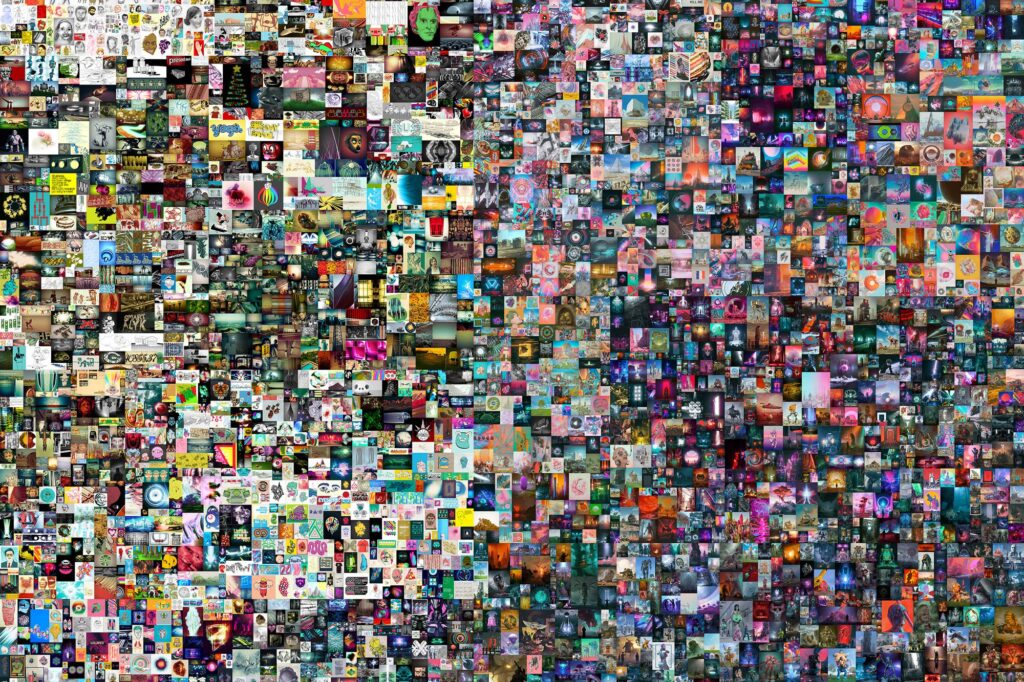
Artworks- These are the most popular category of NFTs out there. These are mainly digital artworks that come with a public certificate of authenticity and ownership issued by the digital ledger on which they are stored. The most expensive NFT sold is the digital artwork ‘The First 5000 Days’ by artist Beeple for a whopping $69.3 million in March 2021 in a Christie’s auction.
Collectibles- These are the first type of NFTs to be ever launched. They are the same as physical collectible, like Pokemon cards or vintage mint condition toys but in digital form. Curio Cards were the first major NFT collectible ever launched after which several other collectibles like Bored Ape Yacht Club, Cryptopunks, Cat Colony etc have taken off.
Sports Memorabilia
Sports memorabilia is one of the hottest NFT categories and the most famous NFT of this segment is the NBA top shot. This type of NFT usually includes a video clip of memorable sports moments. One of the most famous NFTs in this category is the LeBron James Dunk, Throw downs (Series) which is a clip of Makers player LeBron James dunking the ball. It sold for over $380,000 and is one of the most expensive Sports Memorabilia NFTs ever.
Video Game Assets
These are NFT-based video games that players get involved in to win rewards like cryptocurrency, digital assets, or other NFTs. The very first NFT video-game asset was the game Axis Infinity after which games like CryptoKitties, Gods Unchained etc.
Virtual Land
This includes land in video games as well as in the Metaverse. This virtual piece of land can be used to place advertisements inside video games, create virtual assets etc.
Music- This is one of the newest phenomena in NFT mania. Artists pre-release their albums on NFT market places before releasing them on traditional streaming platforms and buyers can buy a part of the album and then when the album is released via traditional channels, the buyers get to have a share in the profits of the album.
Miscellaneous Online Items
This category includes anything and everything which has not been covered in the former categories. This includes tweets, blogs, Instagram posts, etc. In other words, anything that has been minutes on a digital ledger and has non-fungibility falls under this category.
How can Someone buy NFTs?
Storing it in a digital wallet is usually the 1st step. Purchase of NFTs could be made via any of the online NFT market places, including Open Sea, Rarible, SuperRare etc. One thing that people have to be certain of before they deal with NFTs is to know the fact that they are highly risky and quite speculative. This added on the fact that it has been under the radar of agencies who suspect that fraud amid other things could happen which could vitally impact systems as a whole or otherwise.
We have to understand first of all that it is still in its development stage and hasn’t reached any kind of maturity so still its nature is being explored and concerted effort must be placed in a hesitant way by individuals who want to go this way.