
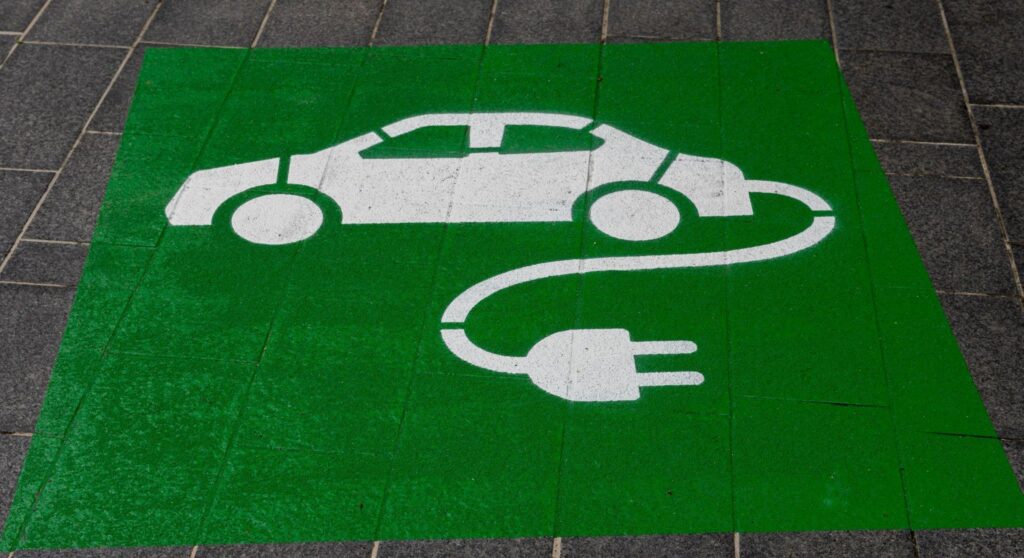
Introduction to Electric Vehicles:
Electric vehicles, or EVs for short, are cars, trucks, and other vehicles that are powered by electricity instead of gasoline or diesel. Just like your smartphone needs to be charged to work, electric vehicles use a big battery to store electricity that powers the vehicle’s motor. When the battery is charged, it gives the car the energy it needs to drive.
There are different types of electric vehicles. Some are called hybrids, which means they have both an electric motor and a traditional gasoline engine. These hybrids can use electricity for short trips and switch to gasoline for longer journeys. Then, there are plug-in hybrids that can be charged from an electrical outlet and use both electricity and gasoline. Finally, there are fully electric vehicles, also known as battery electric vehicles (BEVs), which rely entirely on electricity to run.
Environmental Impact and Sustainability:
Electric vehicles (EVs) have gained significant attention as a more environmentally friendly alternative to traditional gasoline-powered vehicles. Here are some key points highlighting the environmental impact and sustainability benefits of EVs:
- Emission Reduction: EVs produce zero tailpipe emissions, reducing greenhouse gas emissions and improving air quality compared to traditional vehicles.
- Transition to Renewable Energy: EVs can be charged using renewable energy sources, facilitating the shift to cleaner electricity generation and reducing dependence on fossil fuels.
- Energy Efficiency: EVs are more energy-efficient than internal combustion engine vehicles, converting electrical energy to mechanical energy with less waste.
- Lifecycle Environmental Impact: While EV manufacturing may have higher emissions, advancements in battery technology and recycling contribute to overall sustainability.
- Noise Pollution Reduction: EVs operate quietly, reducing noise pollution in urban areas.
Technological Advancements of Electric Vehicles (EVs):
Electric vehicles (EVs) have experienced significant technological advancements, transforming them into viable and competitive alternatives to traditional gasoline-powered vehicles. Here are some key technological developments in the EV industry:
- Battery Technology: EVs have seen advancements in lithium-ion batteries, offering increased energy density, longer driving ranges, and faster charging times. Research focuses on improving performance, lifespan, and reducing costs.
- Range Anxiety Mitigation: EVs now have extended driving ranges, and real-time range estimations, improved charging infrastructure, and navigation systems help alleviate range anxiety.
- Charging Infrastructure: Expansion of charging networks and rapid charging technologies, like DC fast charging, make EV charging more accessible and convenient.
- Integration of Renewable Energy: EVs are being integrated with renewable energy sources, allowing bidirectional energy flow and maximizing the use of renewable resources through vehicle-to-grid (V2G) technology.
- Autonomous Driving and Connectivity: EVs benefit from advanced driver-assistance systems (ADAS) and connectivity features, improving safety, efficiency, and user experience. Self-driving EVs have the potential to optimize routes and reduce energy consumption.
- Lightweight Materials and Aerodynamics: EVs utilize lightweight materials and aerodynamic designs to reduce vehicle weight and enhance energy efficiency.
- Enhanced User Experience: Innovations in user interfaces, infotainment systems, and mobile applications provide EV owners with real-time information and remote control features, improving the overall user experience.
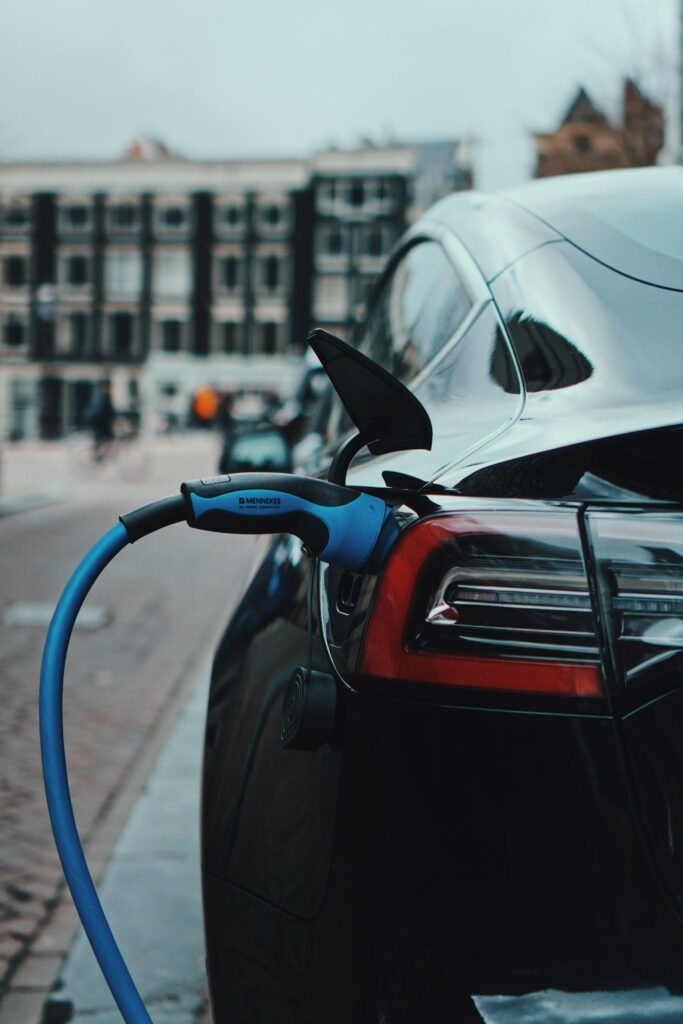
Consumer Adoption and Market Trends of Electric Vehicles (EVs):
Electric vehicles (EVs) are gaining popularity among consumers due to various factors, and the EV market is witnessing significant trends. Let’s explore these trends in more detail:
- Growing Popularity: Consumers are increasingly drawn to EVs due to rising environmental awareness and a desire to reduce their carbon footprint. The shift towards sustainable transportation has propelled the adoption of EVs as a cleaner alternative to traditional gasoline-powered vehicles.
- Expanding Model Range: The EV market has experienced a diversification of models across different vehicle segments. Initially dominated by small sedans and compact cars, EV options now include SUVs, crossovers, and even electric trucks. This expansion caters to diverse consumer preferences, allowing EVs to cater to a broader range of needs.
- Improving Driving Range: EVs have overcome the range anxiety challenge by improving their driving range capabilities. Modern EVs can travel longer distances on a single charge, providing consumers with the confidence to embark on longer trips without worrying about running out of battery power. This enhancement in driving range has significantly contributed to consumer acceptance of EVs.
- Declining Costs: The cost of EVs has been gradually decreasing over time, making them more affordable for consumers. Advancements in battery technology and economies of scale in production have played a crucial role in reducing the costs of EVs. As production volumes increase and manufacturing processes become more efficient, the price gap between EVs and traditional vehicles continues to shrink.
- Government Incentives and Policies: Governments worldwide are implementing various incentives and policies to promote EV adoption. These measures include financial incentives, tax credits, rebates, and exemptions from certain taxes or regulations. Government support has helped lower the upfront costs of EVs and has created a favorable environment for consumers to choose electric vehicles.
- Charging Infrastructure Development: The availability and accessibility of charging infrastructure are vital for the widespread adoption of EVs. Governments, businesses, and utility companies are investing in the development of charging networks, installing charging stations in public spaces, workplaces, and residential areas. The growth of charging infrastructure addresses the concerns of consumers regarding the availability of charging points and contributes to the convenience of owning an EV.
Challenges and Future Outlook of Electric Vehicles (EVs):
While electric vehicles (EVs) have made significant progress, there are challenges and considerations for the future:
- Charging Infrastructure: Expanding charging networks is crucial for convenient and widespread EV adoption.
- Battery Technology and Range: Further advancements in battery technology are needed to increase energy density, reduce charging time, and enhance lifespan.
- Affordability: Continued cost reductions are necessary to make EVs more accessible and competitive with conventional vehicles.
- Supply Chain and Raw Materials: Sustainable sourcing, alternative materials, and improved battery recycling are important for long-term viability.
- Grid Integration and Energy Management: Smart charging and vehicle-to-grid systems are essential for managing electricity demand and optimizing grid stability.
- Consumer Education and Awareness: Increasing public knowledge about EV benefits and dispelling misconceptions is vital for wider adoption.
Future Outlook:
The future of EVs appears promising. Governments worldwide are setting ambitious goals to phase out internal combustion engines, driving automakers to invest heavily in EV development and production. Technological advancements will continue to improve battery performance, charging infrastructure, and overall driving experience. As economies of scale are realized, the cost of EVs will become increasingly competitive. Additionally, the integration of renewable energy, advancements in autonomous driving, and the emergence of new mobility models will further enhance the appeal of EVs.
The challenges ahead will require collaboration among stakeholders, including automakers, governments, utilities, and consumers. Continued research and development, infrastructure investment, policy support, and public awareness campaigns will be instrumental in overcoming these challenges and ensuring a sustainable, efficient, and widespread adoption of EVs, leading to a cleaner and more sustainable future of transportation.